


Input voltage refers to the voltage range required for a power supply to operate within its specified performance limits. For AC inputs, this voltage is typically expressed as a Root Mean Square (RMS) value.
- Max
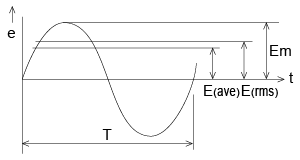
- Em
- RMS
-
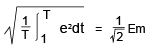
E (rms) =
- Average
-
E (ave) =

Standard AC input configurations include single-phase and three-phase connections. Three-phase inputs are typically used for high-power industrial applications to ensure efficient power delivery.
Related Technical Articles
- What is a Power Supply? Types and Applications
- What is a Power Supply? (Basic Knowledge)
- Safety and Usage of High Voltage Power Supply
- An Introduction to DC Power Supplies
- What is a Bipolar Power Supply? (Basic Knowledge)
- Electronic Loads: An Introduction to Principles, Types, and Uses
- What is an AC Power Source? - Basic Knowledge -
- Linear vs. Switching Power Supplies: Key Differences Explained
- Types of X-ray Tubes and High-voltage Power Supplies
- High Voltage Measurement Method
- How to Choose a DC Power Supply: Key Points to Consider
- Difference between DC power and AC power
- A Beginner's Guide to Using Power Supplies Safely
- A Guide to Using DC Power Supplies Correctly and Safely
- HVPS for Lab Analyzers: Key Considerations for Stability and Noise
- Amplifier Basics: Principles, Operation, and Key Considerations
- Method of Generating Direct Current (DC) Power